
-
-
Capacity Building in Economic Justice
DRCC Book Club
-
State of the Valley 2023
〰️
State of the Valley 2023 〰️
An empowered Duwamish Valley community thriving in a healthy and just environment
Beyond monitoring the cleanup of Seattle’s Duwamish River, we are guided by the voice of our community which is negatively affected by the environmental, social, and economic impacts of pollution and climate change.
State of the Valley 2023
〰️
State of the Valley 2023 〰️
Health Equity
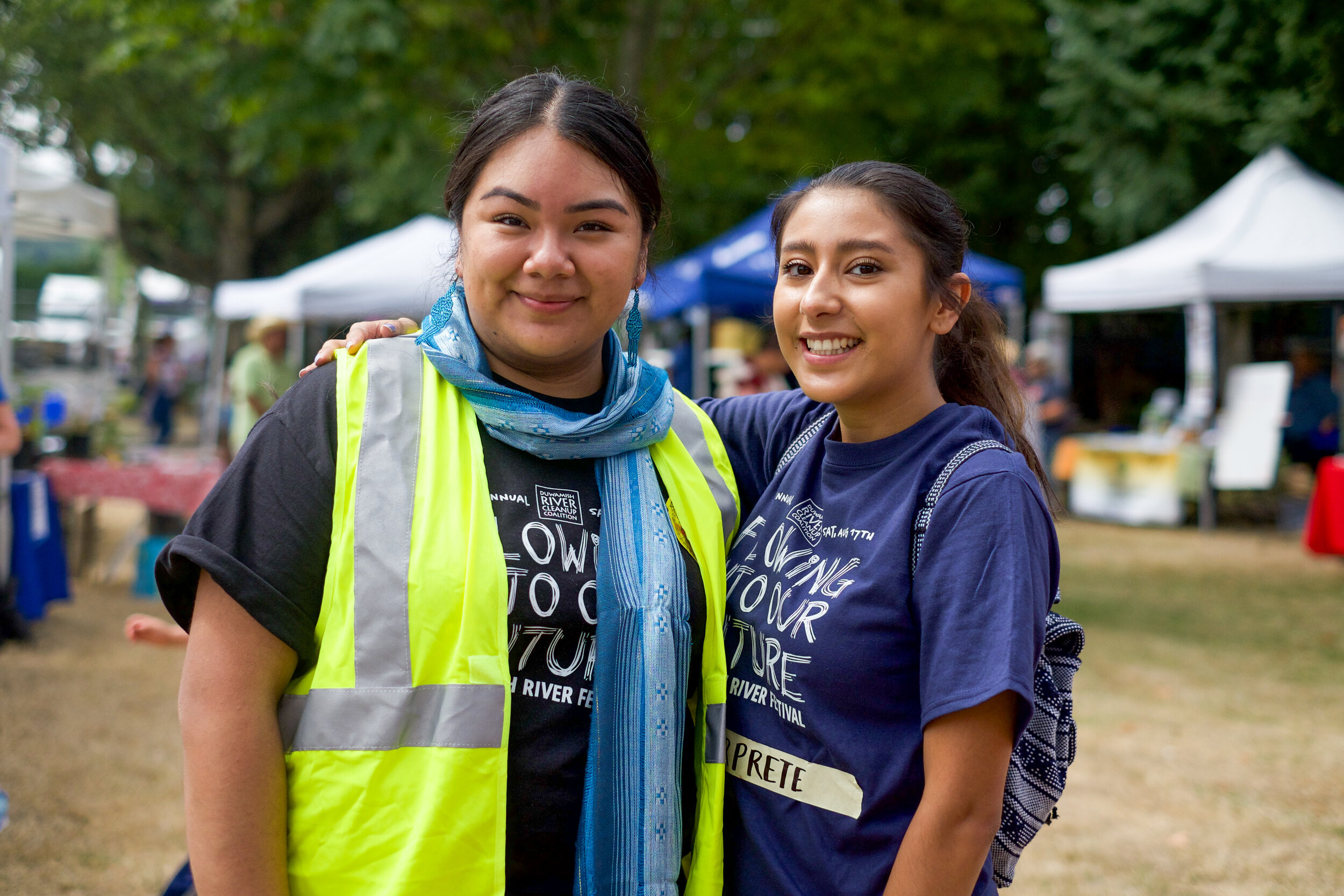
Our work centers on creating a healthy environment for Duwamish Valley communities. We approach the environment as a holistic category that includes the places where we live, work, worship, and play.

Climate Justice
As we have fought to cleanup the river, the realities of climate change have become more extreme in our neighborhoods. It is imperative that Duwamish River cleanup efforts work for those who already call this place home.
Youth Leadership
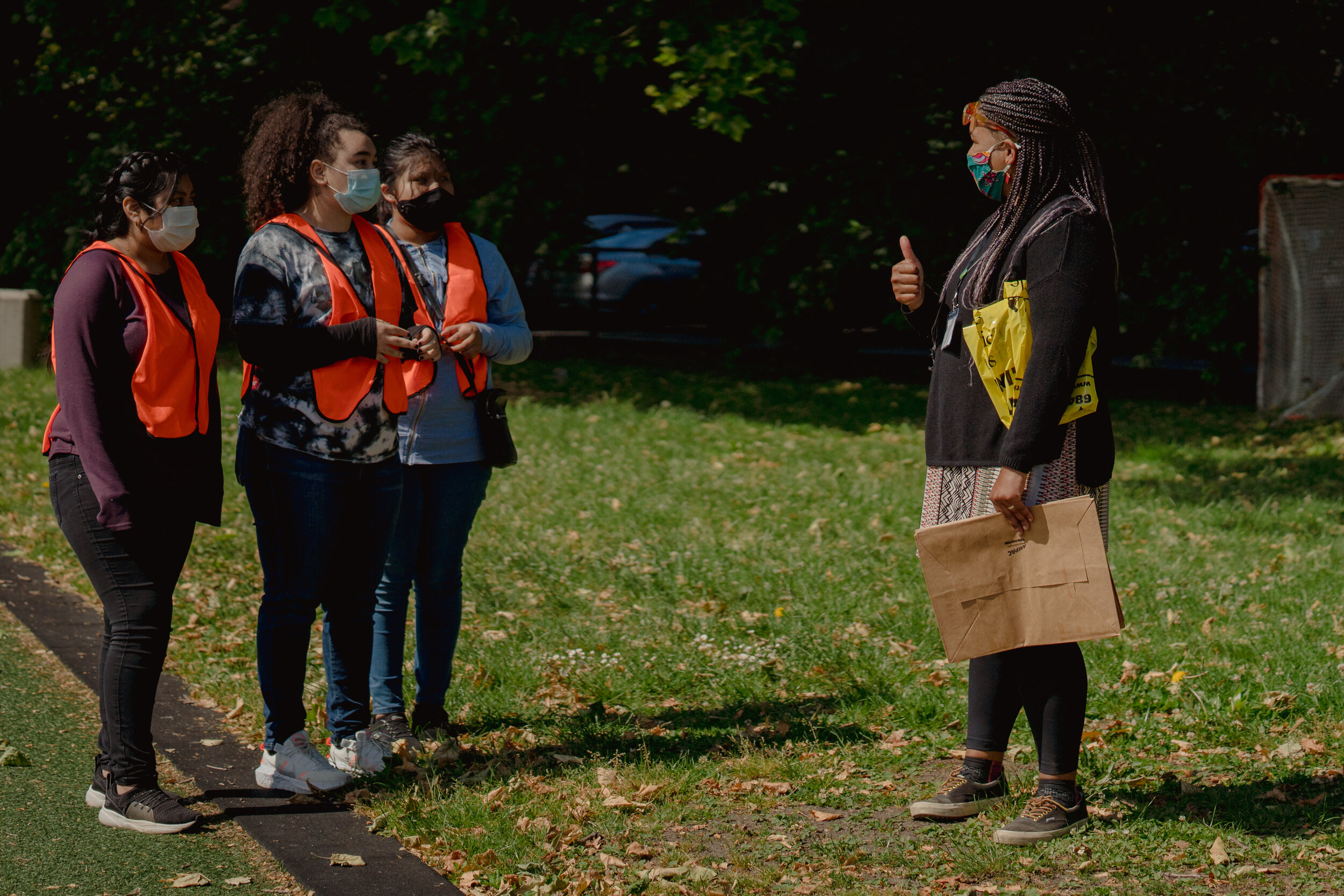
Community drives the spirit of our work. From youth programming, to community education initiatives, to oral histories, we strive to elevate the experiences of those often left-out of environmental decision-making.
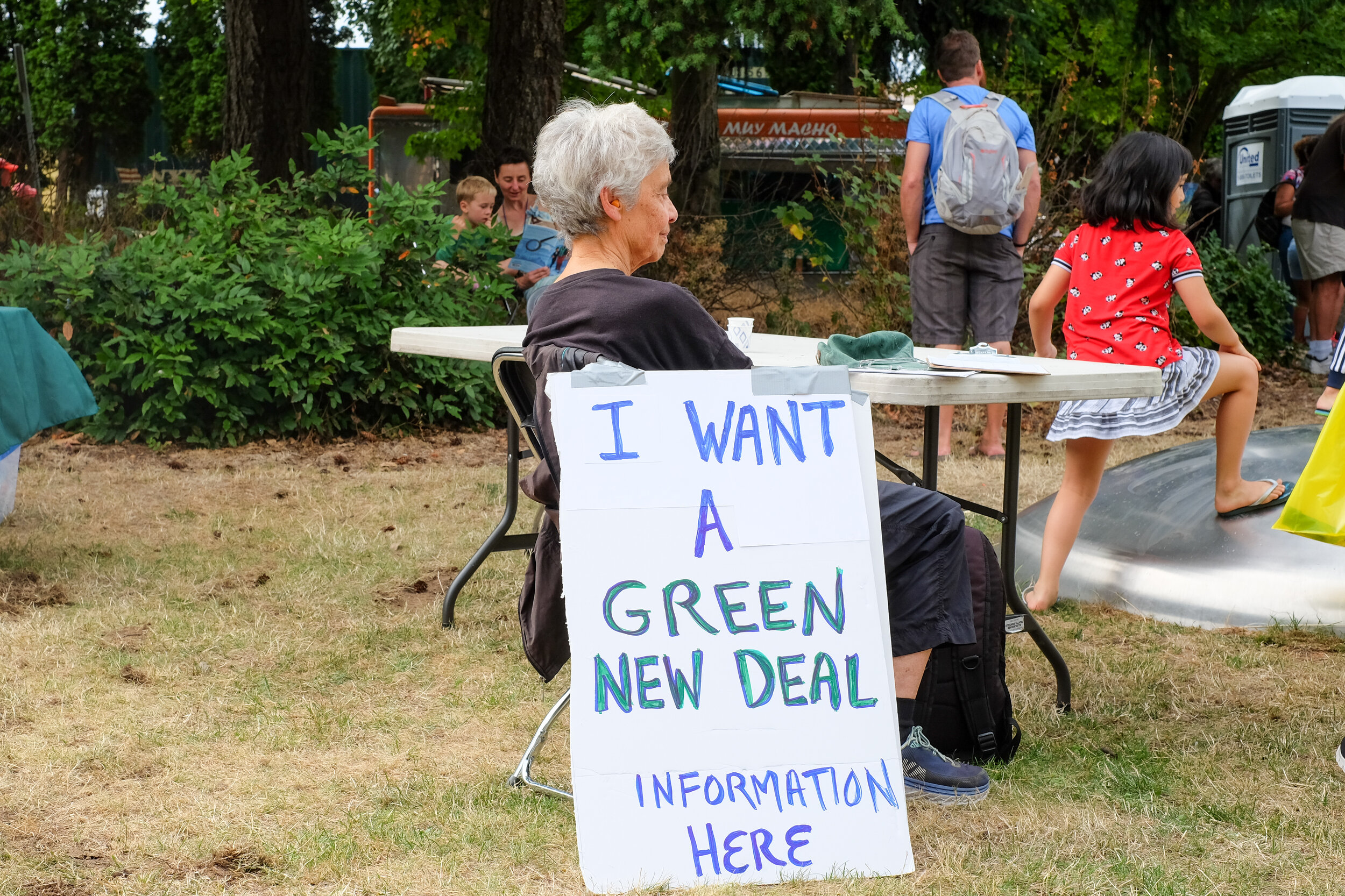
Advocacy & Stewardship
The legacies of the superfund site intersect with the ongoing realities of a changing climate that impact Duwamish Valley communities. Learn about how we promote advocacy and stewardship to address climate change.


Duwamish Valley
Youth Corps (DVYC)
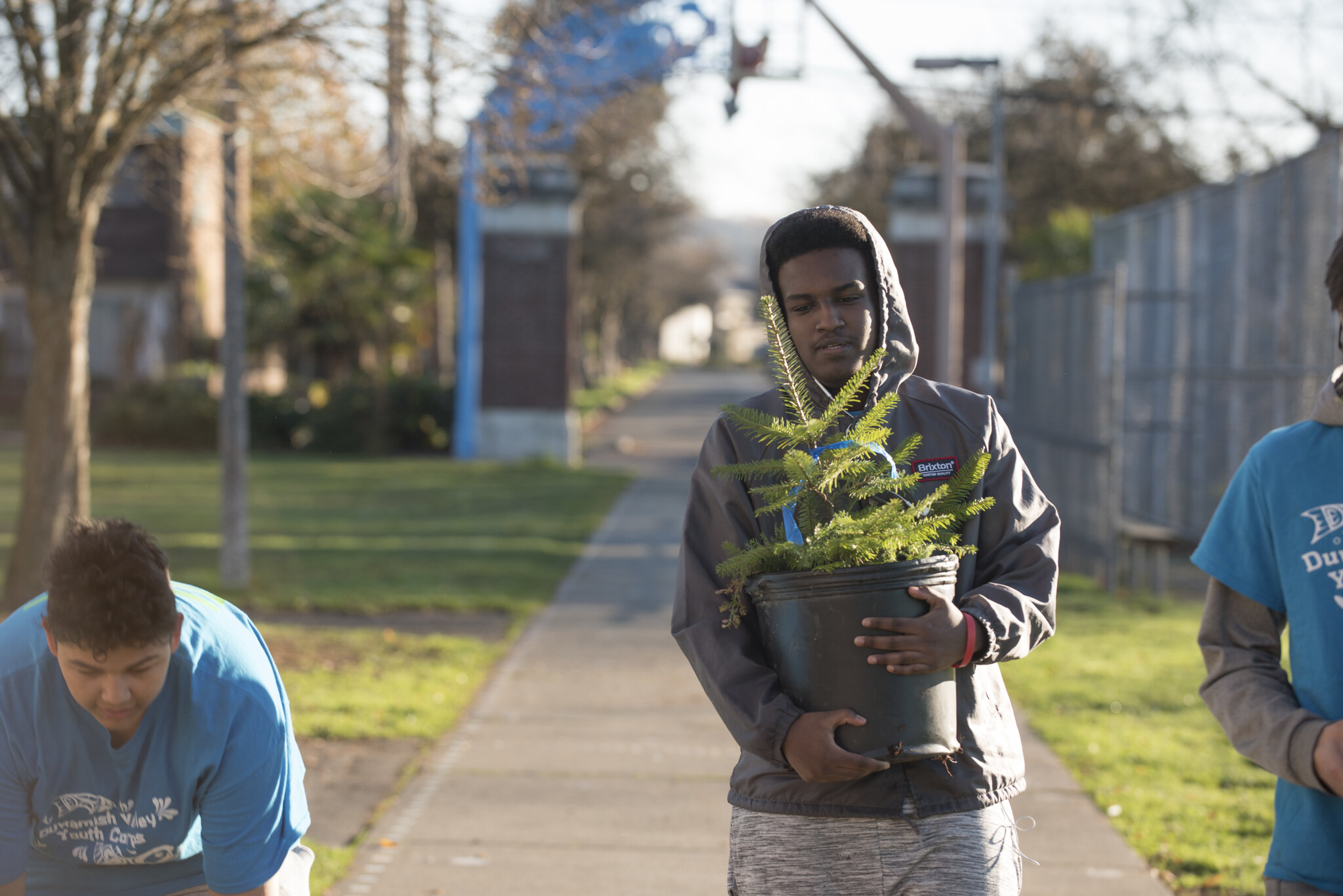
By providing experiences and lessons that are unavailable to the youth at home or school, the purpose of the DVYC is to enrich and build upon their own lived experience. We believe that providing more, and more thoughtful, curriculum and hands-on activities will give our youth the arena they need to grow and achieve
Research on the Cumulative Health Impacts of Living in the Duwamish Valley
Community Health
The Duwamish Valley Cumulative Health Impacts Analysis (CHIA)
Published in 2013 by Just Health Action and DRCC/TAG, the Cumulative Health Impacts Analysis (CHIA) examines a range of disproportionate health exposures and impacts affecting people in the Duwamish Valley. In the report, a total of 15 indicators were input into a formula to calculate cumulative health impact scores for ten representative zip codes in Seattle.
The highest cumulative impact score was the Beacon Hill/Georgetown/South Park neighborhood zip code 98108. With the support of this data, the Duwamish Valley can firmly be characterized as an area with disproportionate health impacts and environmental injustices where more actions, projects, and investment is needed to address health inequities.

Industries along the Duwamish River
Photo credit: Paul Joseph Brown